
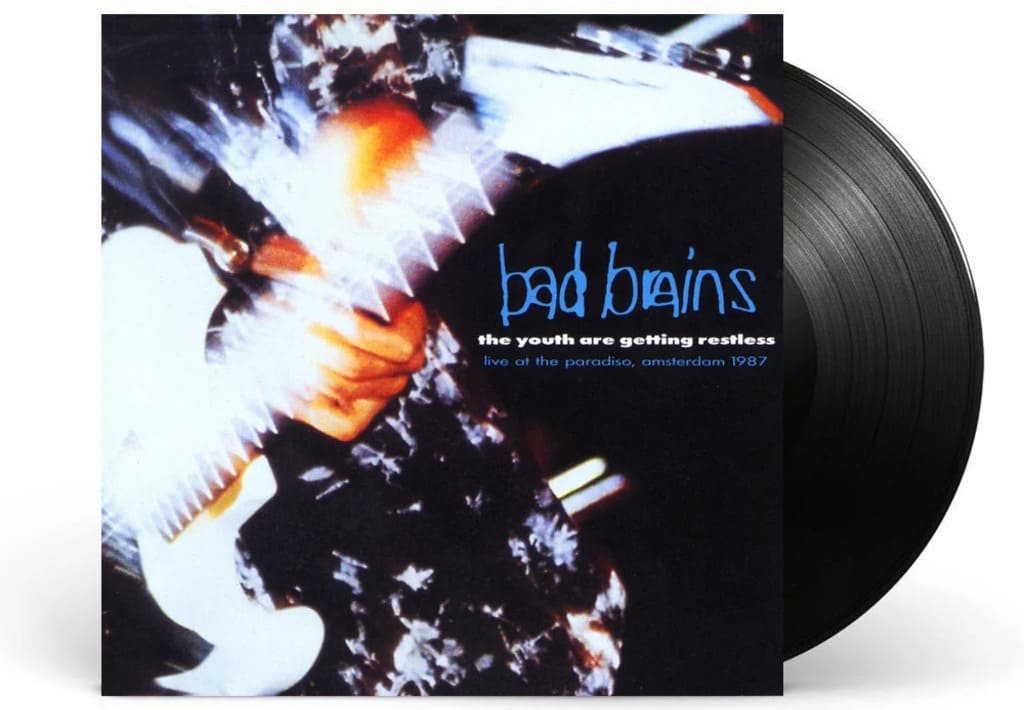
Bad Brains Band is a musical group formed in Washington, D.C. in 1976. Although they are often recognized as pioneers of hardcore punk, their repertoire extends beyond that genre to include styles like reggae and metal.
Origins
The Bad Brains Band members initially met in the suburb of District Heights, Maryland. Guitarist Gary Miller (also known as “Dr. Know”) had played bass in various funk bands and crossed paths with Darryl Jennifer, who would later become the bassist for Bad Brains.
Joined by brothers Paul (vocals, known as “H.R.”) and Earl Hudson (drums), they started as a jazz-funk hybrid band called Mind Power.
Inspired by punk music (thanks to listening to Dead Boys), they transformed completely and adopted the name Bad Brains, taken from a Ramones song.
They gained recognition by performing free concerts in the basement of their house and selling their own demos.
Their debut recording, “Black Dots”, was produced at Inner Ear Studios in Arlington, Virginia in June 1979.
Influence and Legacy
Bad Brains’ music blended raw energy, technical prowess, and a unique fusion of punk aggression with reggae rhythms. Their live performances were legendary, and they became a staple in the D.C. punk scene.
Despite their association with hardcore punk, the band resisted the label, emphasizing their diverse influences. Their commitment to Rastafarianism also shaped their worldview and music.
Discography
Some notable albums include:
- “Bad Brains” (1982): Their self-titled album remains a classic, featuring tracks like “Pay to Cum” and “Sailin’ On.”
- “I Against I” (1986): A groundbreaking blend of punk, reggae, and metal.
- “Quickness” (1989): Further experimentation with their sound.
Continued Relevance
Bad Brains Band influenced countless bands across genres, leaving an indelible mark on music history. Despite lineup changes and challenges, Bad Brains continue to perform and inspire new generations.
Their legacy extends beyond punk, reminding us that music knows no boundaries.